What Is an AI Photo Booth? (And Why Every Corporate Event Needs One)
AI photo booths use neural networks to transform guest photos in real-time. Learn how they work, what makes them different from traditional booths, and why corporate event planners are switching.
Andrew Webber
Founder, MIGHTY Photo Booths
A guest steps in front of a camera. Eight seconds later, they're holding a printed artwork of themselves rendered as a charcoal sketch, a Renaissance portrait, or a cyberpunk character branded in their company's visual identity. No filters. No stickers. Actual neural network output, generated from scratch using their photo as input.
That's an AI photo booth. And it's rewriting the rules of experiential marketing.
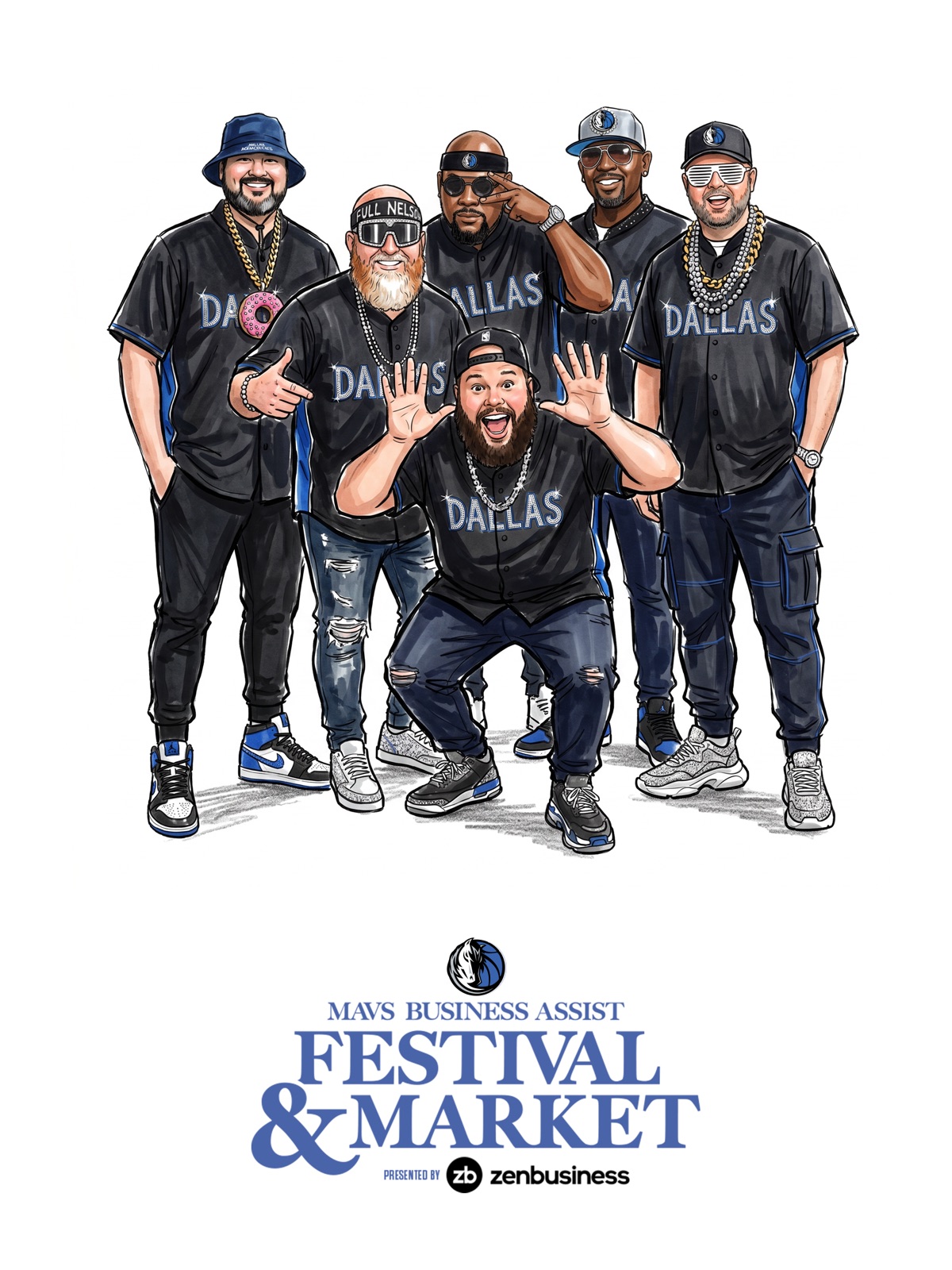
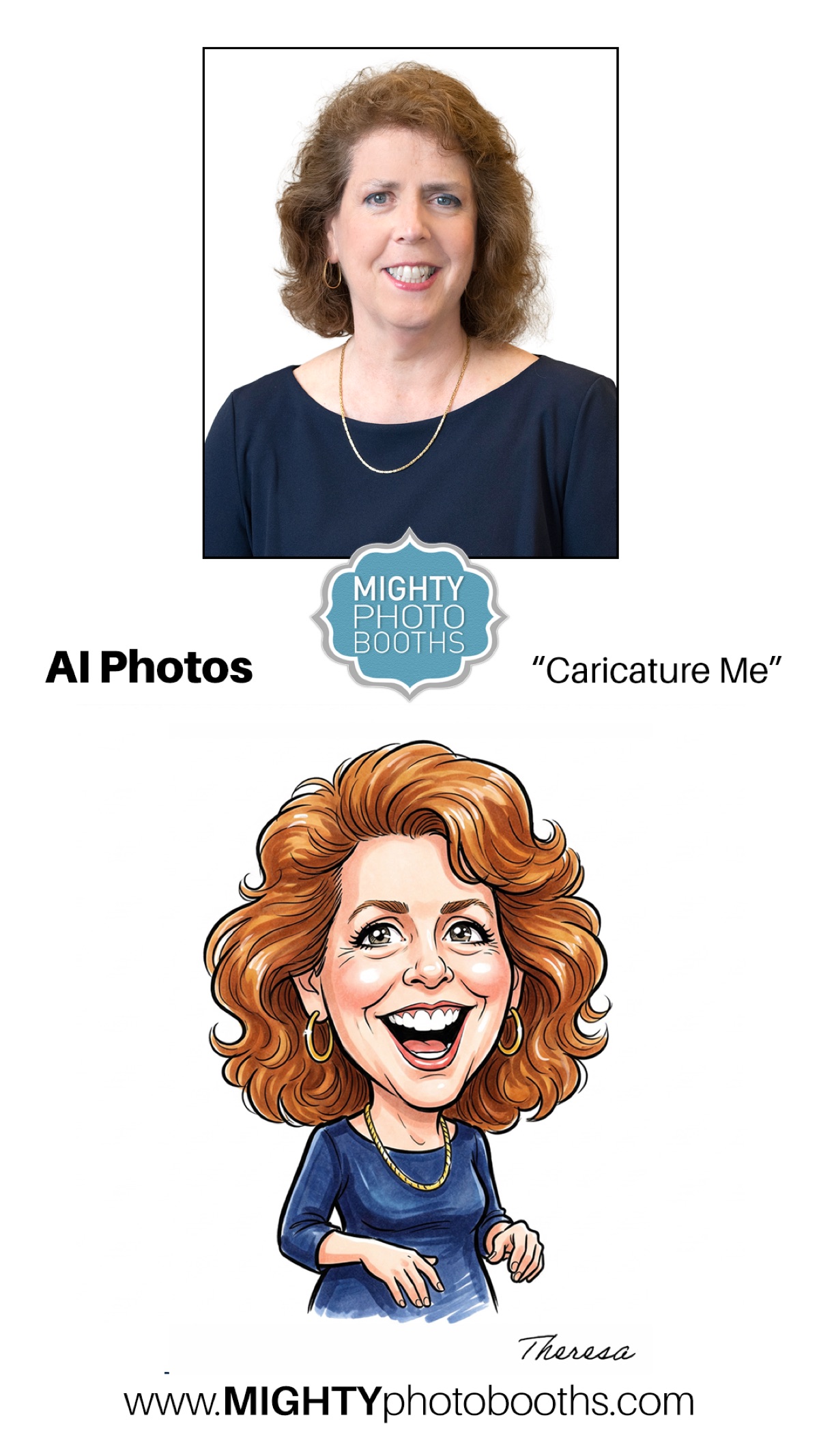
Real event outputs: an AI Fashion Sketch from a Dallas activation (left) and an AI caricature session (right).
The term gets thrown around loosely, so let's be precise. An AI photo booth uses trained neural networks — typically style transfer models or diffusion-based generative models — to create entirely new images from a guest's photo. The source image is the input. The output is a piece of original artwork that never existed before that moment.
This is fundamentally different from a filter. Instagram filters apply predetermined color curves and overlays. They're deterministic: same input, same output, every time. An AI model generates probabilistically. Two guests photographed identically will receive meaningfully different results because the model is creating, not applying.
The models behind serious AI activations are custom-trained. A vendor worth their fee isn't running a public Stable Diffusion checkpoint through a basic prompt. They're fine-tuning models on specific aesthetic directions, controlling output consistency, and engineering the pipeline so that inference completes in under ten seconds — fast enough that the guest experience feels instantaneous.
Real-time inference at event scale is the engineering challenge most people underestimate. Running a diffusion model on a single GPU for a personal project is trivial. Running it reliably for 400 guests over five hours with consistent quality, zero crashes, and sub-10-second turnaround is a production engineering problem.
A traditional photo booth captures a moment. You step in, smile, get a strip of four photos. The value is the photo itself — a memory artifact.
An AI photo booth uses the photo as raw material. The captured image is just the starting point. What the guest receives is a transformation: their likeness reimagined through a trained artistic model. Every output is one-of-a-kind because the model generates it uniquely for that specific input.
The psychological shift matters too. A traditional booth photo goes in a wallet or on a fridge. An AI-generated portrait gets framed. Guests treat them as artwork because they are artwork — computationally generated, but artwork nonetheless. The perceived value is categorically higher.
This changes how guests interact with the experience. Traditional booths get a quick visit. AI booths create lines because people see others walking away with something genuinely surprising, and they want to know what the model will produce for them. The uncertainty is part of the draw.
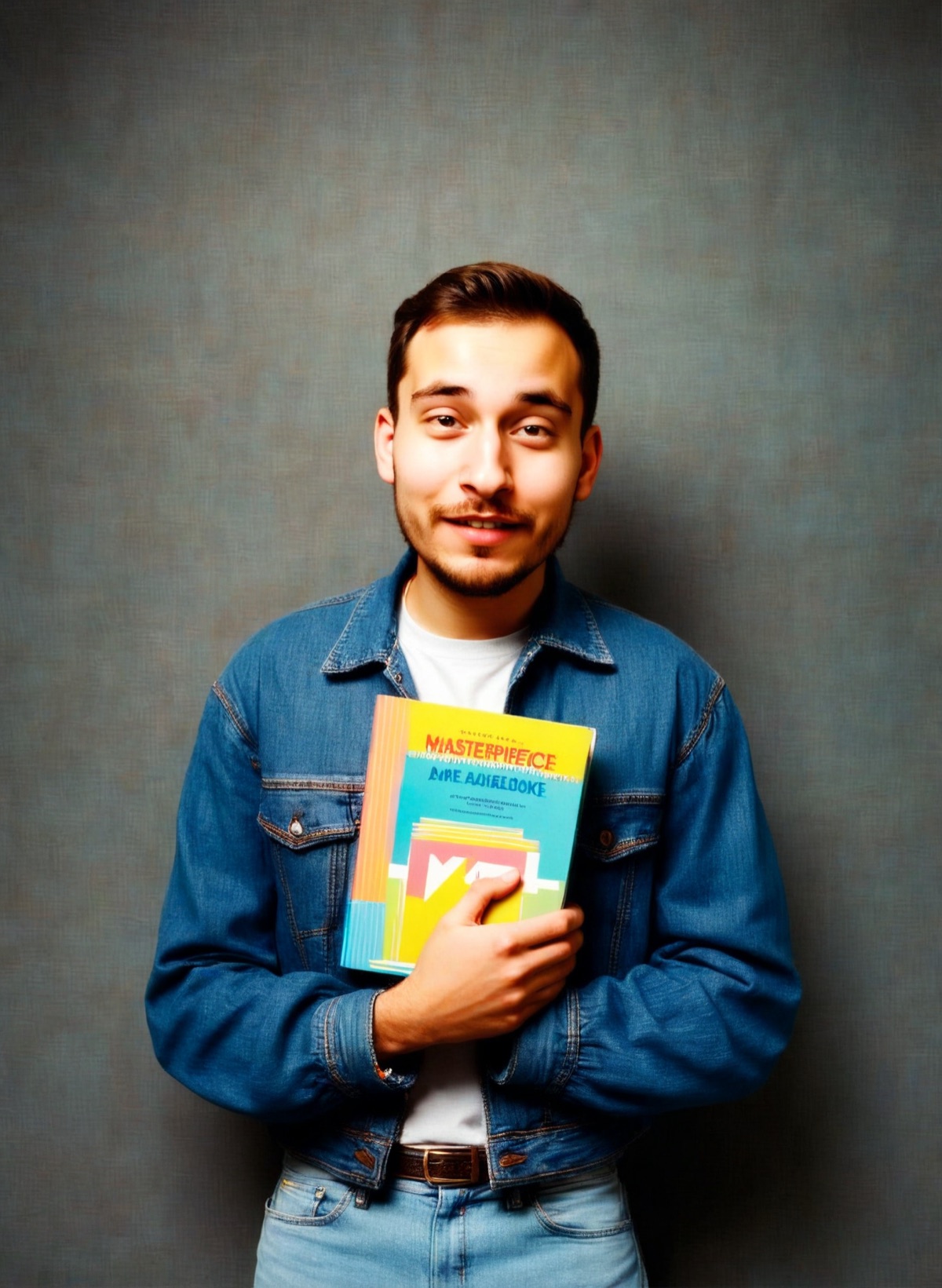
A 90s Yearbook experience from a Dallas event. The guest photo is the input; the model generates the era, the styling, and the backdrop.
Trade shows and expos. Foot traffic is currency on a trade show floor. An AI photo booth pulls attendees out of the aisle because the output is visually impossible to ignore. A 20x30 display showing real-time AI portraits being generated is the kind of visual magnet that stops people mid-stride. Once they're in your booth, your sales team has an opening.
Brand activations. This is where custom model training pays off. Train the model on a brand's visual language — their color palette, their design motifs, their product aesthetics — and every guest portrait becomes a piece of branded content that people genuinely want to share. It's advertising that guests opt into because the output is good enough to post.
Conferences and networking events. A shared experience breaks the ice faster than a lanyard ever will. When two attendees are both holding AI-generated portraits of themselves in the same visual style, they have something immediate to discuss. It's a conversation catalyst built into the event design.
Product launches. Guests become part of the product narrative. Launching a new vehicle? The model renders guests into the driver's seat in a stylized environment. Launching a fashion line? Guests see themselves wearing the collection in an editorial illustration style. The product and the guest merge into a single shareable image.
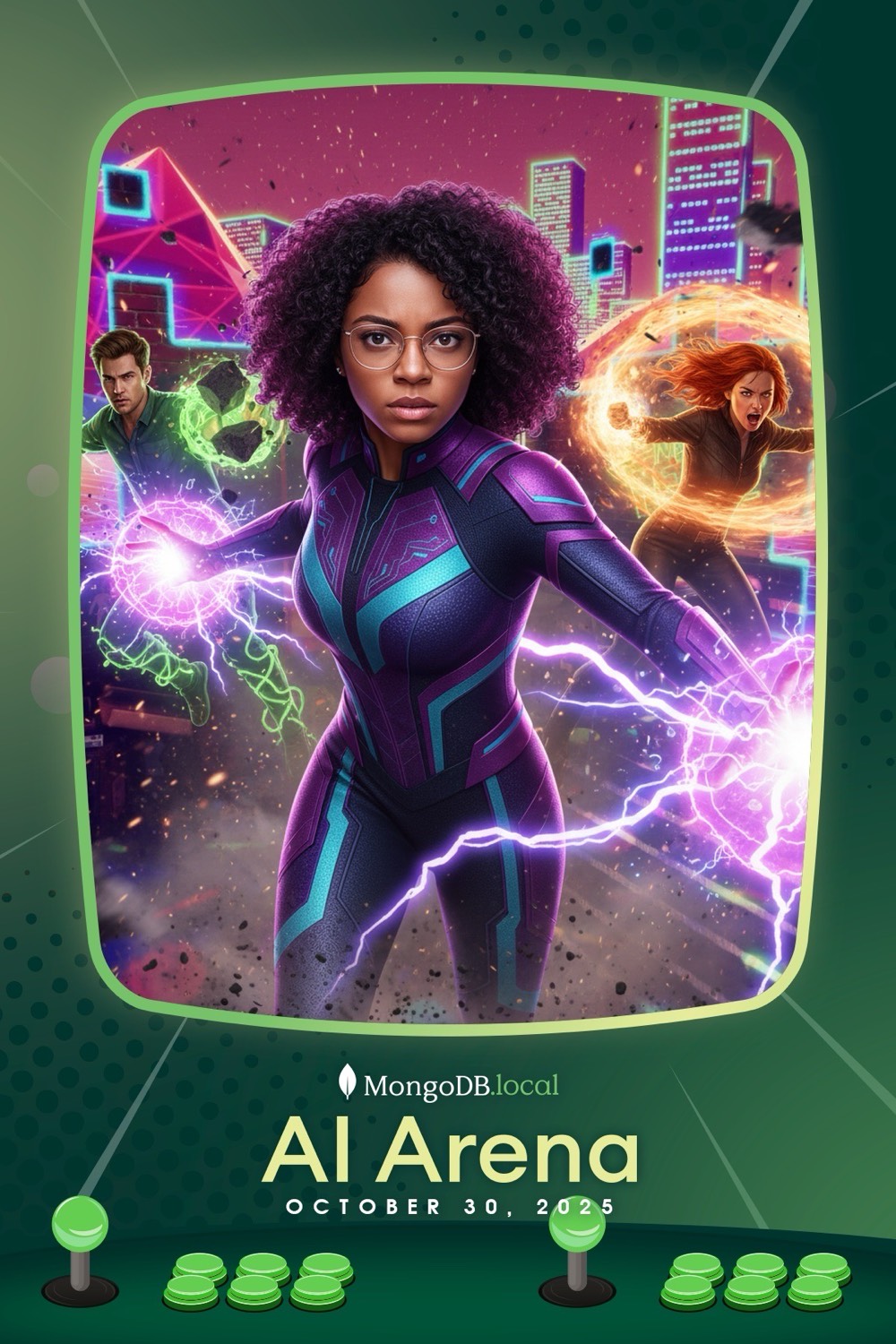
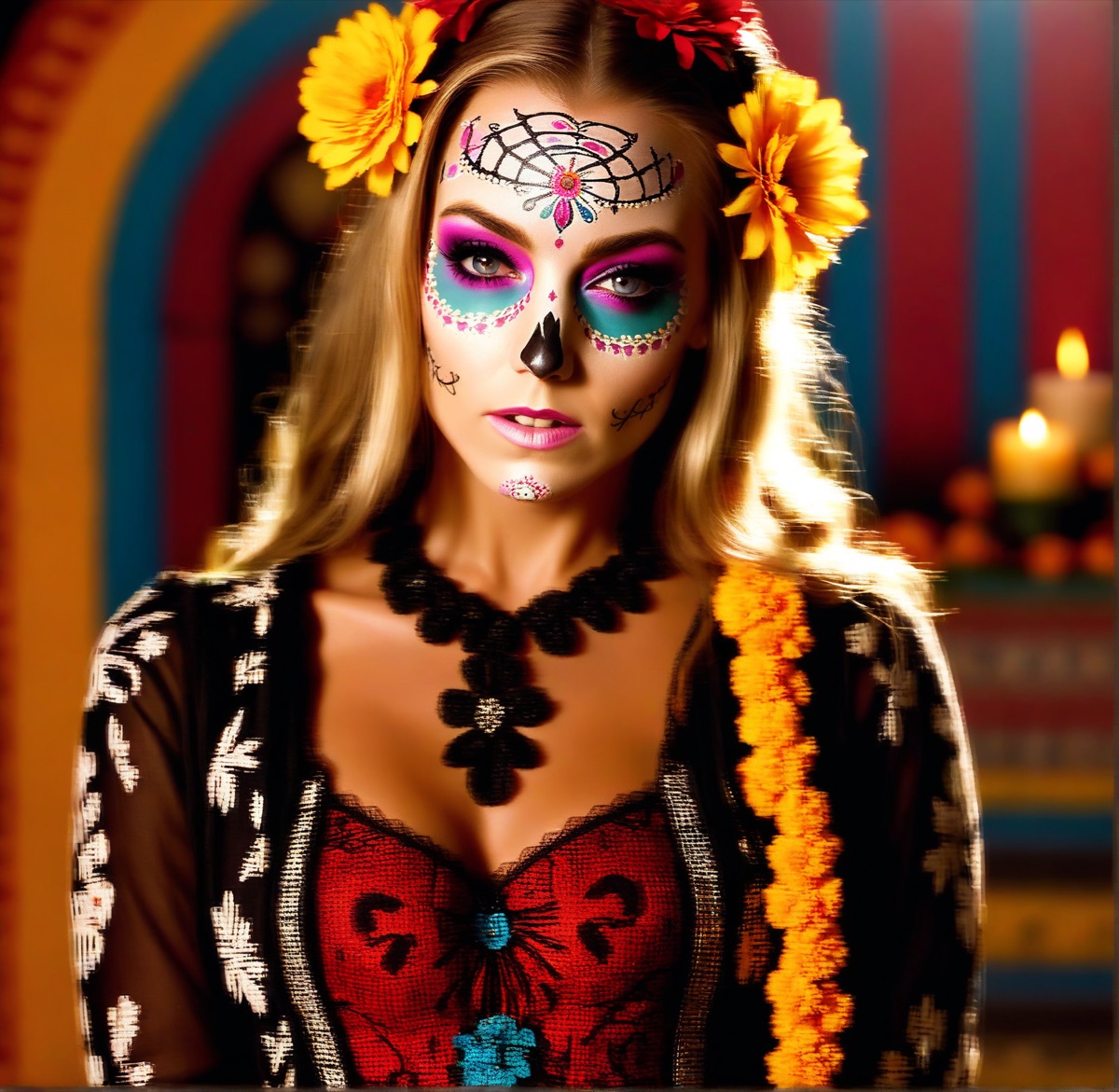
Theme range in practice: a superhero render from a MongoDB corporate event (left) and a Día de los Muertos faceswap from a Halloween activation (right).
Custom model training vs. off-the-shelf. Ask if the vendor trains custom models for your event or runs prompts through a generic public model. The difference in output quality and brand specificity is immediately visible. Generic models produce generic results.
Processing speed. Under 10 seconds is the benchmark. Anything over 15 seconds and your line backs up, guest satisfaction drops, and throughput tanks. Ask for real numbers from real events, not best-case demos on fast hardware.
Output quality and consistency. Review a portfolio of actual event output — not cherry-picked hero shots. Consistency matters more than peak quality. Every guest needs to walk away happy, not just the photogenic ones.
Print quality. The digital file is half the deliverable. A well-printed piece on quality stock is what guests frame and keep on their desk for months. Ask about print resolution, paper stock, and coating options.
Brand integration depth. Surface-level branding (a logo in the corner) is table stakes. Deep integration means the brand's visual DNA is embedded in the model's output style. The entire aesthetic should feel like an extension of the brand, not a generic AI output with a watermark slapped on.
Experience design. The technology is only part of the equation. How does the physical space feel? What's the guest journey from approach to departure? Is there a reveal moment? The best AI activations are theatrical — the tech is invisible and the experience is memorable. Look for a vendor that thinks about the full experience, not just the algorithm.
Engagement metrics tell the story. Traditional photo booths see moderate social sharing because the output is a standard photo — it looks like every other event photo in someone's feed. AI-generated portraits get shared because they're visually novel. People post things that make their followers stop scrolling, and a custom AI portrait does exactly that.
At MIGHTY, our AI activations consistently hit 70-80% SMS share rates. That means seven or eight out of every ten guests actively share their AI portrait digitally within minutes of receiving it. Each share carries the brand's visual identity into that guest's network organically.
Data capture is built into the flow. To receive their digital file, guests provide contact information — willingly, because they want the image. No coercion, no contest entry forms that feel transactional. The value exchange is clear and immediate.
Brand recall follows naturally. A guest who has a custom AI portrait framed on their desk sees the brand's visual language every workday. That's not a fleeting impression. That's sustained, voluntary brand exposure generated by a single activation touchpoint.
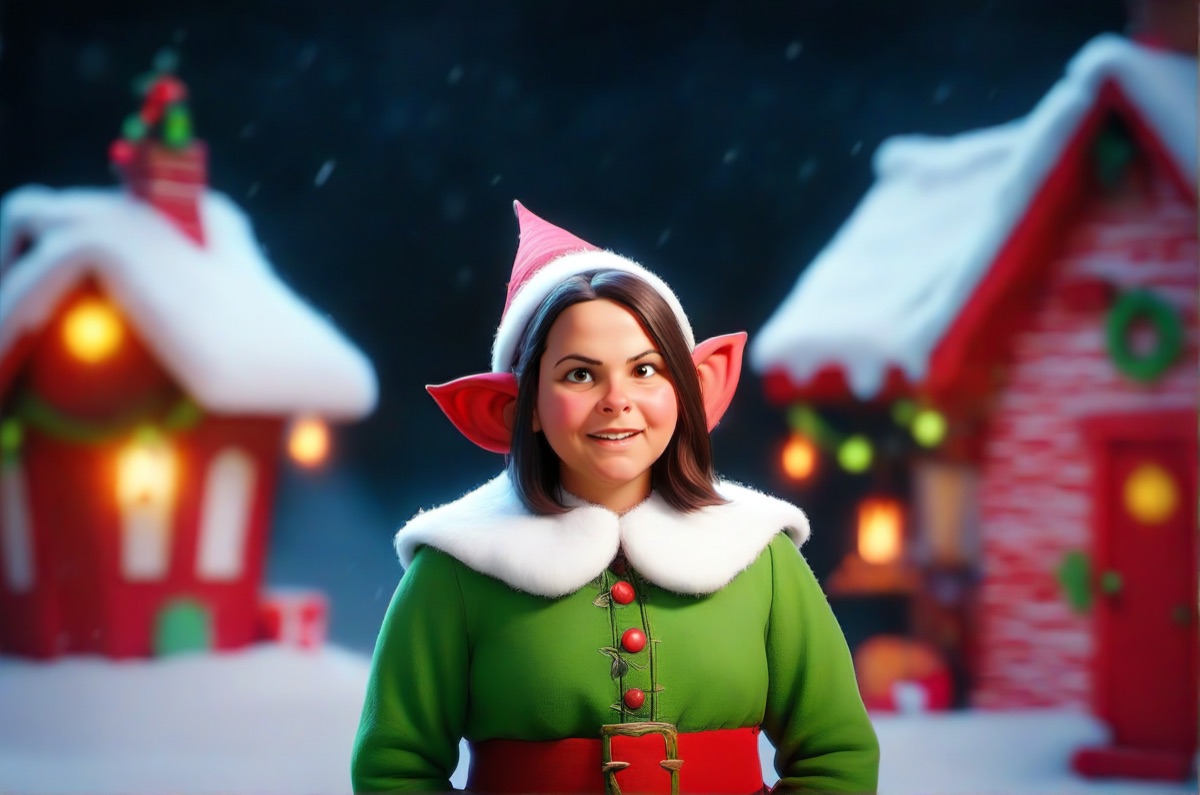
A holiday-party AI experience in Dallas. Seasonal themes keep the same booth fresh across a corporate events calendar.
AI photo booths aren't a novelty act. They're the logical endpoint of a trend that's been building for a decade: events need to produce content, not just memories. The brands investing in AI-powered experiential activations today are building the playbook that will become standard practice within a few years.
The technology is only getting faster, the models more capable, and the creative possibilities broader. Today it's style transfer and portrait generation. Tomorrow it's real-time video, 3D avatars, and interactive narratives — all generated live, all personalized to the individual guest.
The question for event planners isn't whether AI photo experiences belong in their program. It's whether they want to be early or late.
Ready to see what a custom AI activation could look like for your next event? Let's talk.